
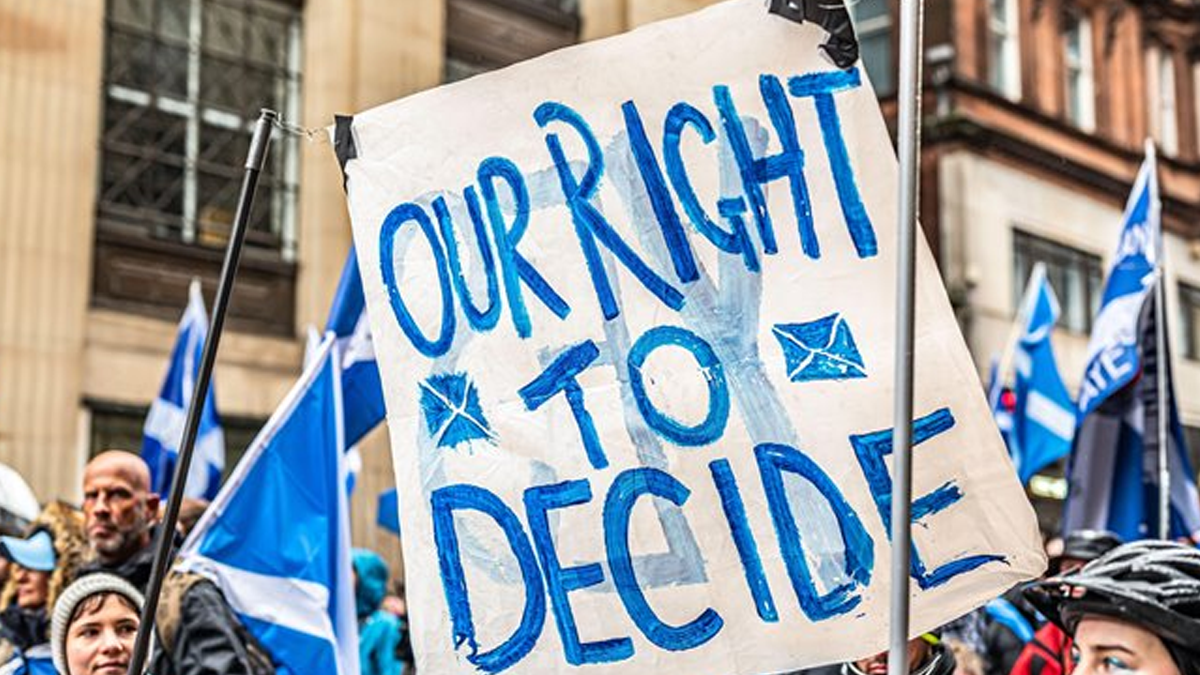
For years, Scotland has been told it can choose its future. But every time the country tries, Westminster slams the door shut. With the UK Government refusing to grant permission for a second independence referendum, a huge constitutional question is now hanging over the country: if Scotland can’t vote on independence the “official” way, what democratic route is left?
It’s the question dominating Scottish politics, and one that millions of voters are now asking outright. The 2014 referendum was billed as a “once in a generation” event, but nobody expected that generation to last forever. Since then, Scotland has elected pro‑independence majorities to Holyrood again and again. Yet Westminster insists that Scotland cannot revisit the issue unless the UK Government agrees. And right now, that agreement looks nowhere in sight.
So what happens when a nation keeps voting for the right to choose, but the government in London keeps saying no? Critics say it creates a democratic deadlock that no modern country should tolerate. Supporters of independence argue that Scotland is effectively trapped in a constitutional cage, unable to exercise the basic democratic right to self‑determination.
Some point to the ballot box as the next battleground. If pro‑independence parties win a majority of Scottish seats at the next general election, could that count as a mandate to begin independence negotiations? Westminster says no. Independence supporters say yes. And ordinary voters are left wondering how many times Scotland needs to vote for something before it actually happens.

Others argue that Holyrood could hold its own referendum without Westminster’s blessing. But the UK Supreme Court has already ruled that such a vote would be outside the Scottish Parliament’s powers. That leaves Scotland in a bizarre situation: legally blocked from holding a referendum, yet repeatedly electing governments that promise one.
Then there’s the international angle. Some independence supporters believe Scotland could seek recognition from other countries if it wins a clear democratic mandate through elections. It’s a long shot, and it would be controversial, but it raises a blunt question: if Westminster refuses to recognise Scotland’s right to choose, could the rest of the world step in?
Meanwhile, frustration is growing. Even voters who aren’t committed to independence say the current situation feels unsustainable. Scotland keeps voting for the right to decide its future. Westminster keeps refusing. And the tension is building.
So what is the democratic route to independence when the UK Government won’t allow a referendum? Right now, nobody has a definitive answer. But one thing is clear: Scotland’s constitutional debate isn’t going away. If anything, Westminster’s refusal has only poured fuel on the fire.
Whether through elections, international pressure or a new constitutional settlement, Scotland will keep pushing for a democratic path forward. And sooner or later, Westminster will have to face the question it has been dodging for years: how long can you deny a nation the right to choose its own future?