
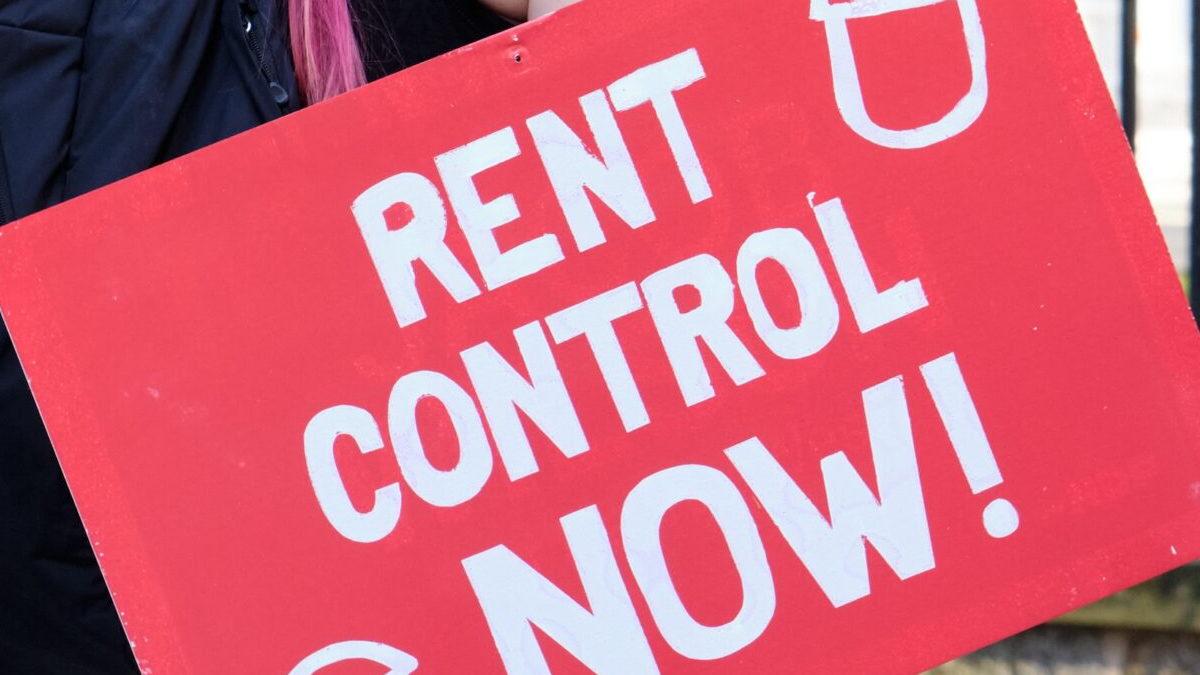
Rent controls are government rules that limit how much landlords can charge tenants or how quickly rents can rise. They are designed to protect renters from sudden, unaffordable increases and to stabilise housing costs in high‑pressure markets. Although often discussed as a single policy, rent control actually covers several different systems used around the world.
Rent control laws, also known as rent stabilization laws, typically cap rent increases either annually or between tenancies. Some countries use strict price ceilings or temporary freezes, while others rely on negotiated rents or large public housing sectors that indirectly anchor private rents.
Where rent controls exist
Rent controls or rent‑stabilisation systems operate in many major housing markets:
- New York City: Around one million apartments are rent‑stabilised, with annual increases set by a Rent Guidelines Board. A small number of older units remain under stricter “first‑generation” rent control.
- Germany (including Berlin): The Mietpreisbremse limits new‑lease rents to no more than 10 percent above a local reference rent in designated high‑demand areas. Berlin’s harder rent freeze was struck down by the courts.
- Ireland: Rent Pressure Zones cap rent increases in high‑demand areas, with plans to expand controls nationwide.
- France (Paris and other cities): Rent caps apply in stressed urban markets.
- Spain: Temporary caps have been introduced in high‑demand regions.
- Sweden: Rents are collectively negotiated, creating strong stability but long waiting lists.
- California and Oregon: Both states operate statewide rent‑stabilisation systems.
- Ontario, Canada: Annual rent increases are capped, for example at 2.5 percent in 2023.
- Scotland: Local authorities must assess rent conditions every 5 years and submit reports to Scottish Ministers. These reports recommend whether rent control is needed in any part of the council area
Pros of rent controls
Lower rents for sitting tenants Evidence consistently shows that tenants in controlled units pay less than they otherwise would, redistributing income from landlords to renters.
Greater stability and protection from displacement Rent controls reduce the risk of sudden rent spikes and help long‑term tenants remain in their communities. New York’s system, for example, protects tenants from sharp increases that could force them out.
Improved affordability in targeted areas In cities like Berlin and Barcelona, rent caps have slowed rent growth for covered tenants, offering relief in high‑pressure markets.
Cons of rent controls
Reduced housing supply Every major evidence review finds that rent controls shrink rental supply. Landlords often sell properties or convert them to other uses, reducing the number of homes available. San Francisco’s 1994 expansion led to a 15 percent fall in rental supply.
Declining property quality With limited ability to raise rents, landlords may invest less in maintenance. In New York, rent control was followed by a rise in hazardous building code violations.
Reduced mobility and market distortions Tenants stay longer in controlled units, even when the home no longer suits their needs, creating mismatches and long waiting lists. Sweden’s strict system has vacancy rates as low as 1.5 percent.
Potential for loopholes and unintended consequences In some markets, landlords respond by raising rents on uncontrolled units or demanding non‑cash compensation, as seen in Oslo.
Benefits come with trade-offs
Rent controls offer clear benefits for tenants who already have a home: stability, affordability, and protection from sudden increases. But they also come with trade‑offs, including reduced supply, lower quality, and distortions in the wider housing market. Countries that succeed in keeping rents low over the long term, such as Vienna and Singapore, tend to pair regulation with large‑scale public housing investment rather than relying on rent caps alone.