
Are French Authorities Pulling Their Weight on Channel Small‑Boat Crossings?
The question of whether France is doing enough to prevent small‑boat crossings in the English Channel has become one of the most contentious issues in UK–France relations. With thousands of people attempting the dangerous journey each year, pressure continues to mount on both governments to demonstrate that their cooperation is delivering results.
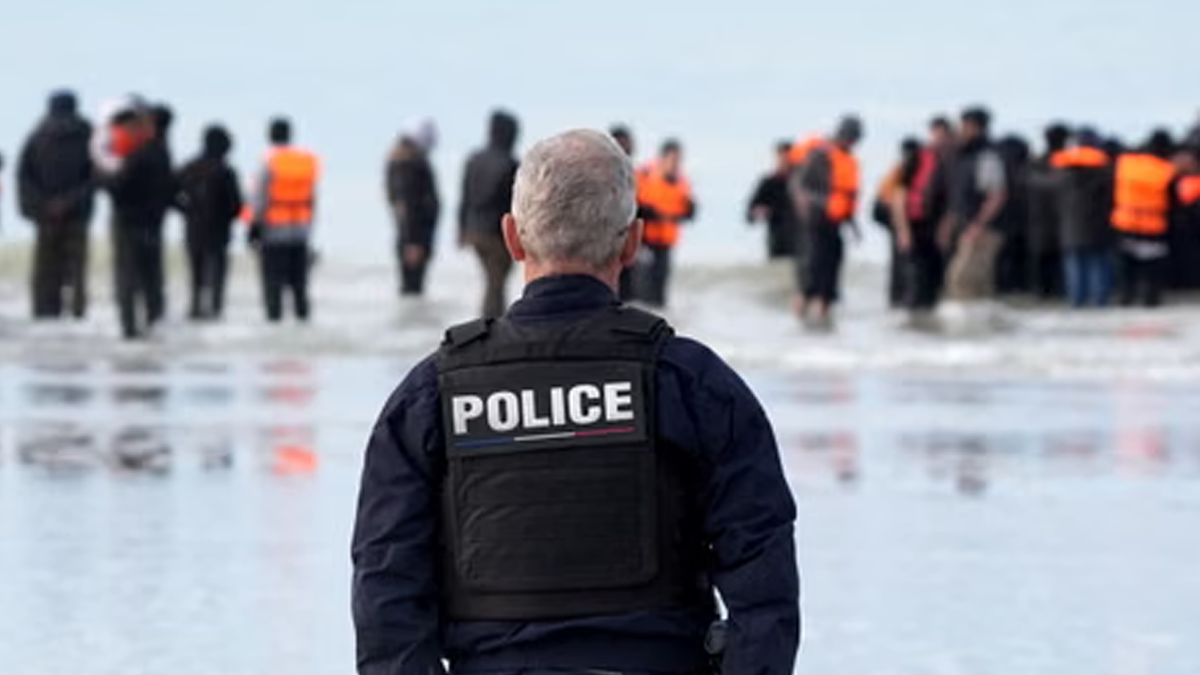
French authorities insist they are stepping up efforts, pointing to increased patrols along the northern coastline, expanded surveillance technology and regular interceptions of boats before they launch. In recent years, France has deployed hundreds of additional officers to beaches around Calais, Dunkirk and Boulogne, and has repeatedly argued that it is working within the limits of international law and its own domestic constraints.
However, critics in the UK say the numbers tell a different story. Despite joint funding agreements and repeated pledges of closer cooperation, small‑boat crossings have continued. This has raised questions about whether French enforcement is sufficiently robust or consistently applied. Some British officials argue that France should be preventing more departures at source, while others say the challenge is far more complex than simply increasing patrols.
Policing Alone Can’t Solve The Problem
French officials say the issue cannot be solved by policing alone. They highlight the role of organised criminal networks, the constant movement of launch sites along the coast and the legal barriers to detaining people who have not committed a crime. They also note that France cannot forcibly prevent people from moving within its territory or seeking asylum.
Both governments say wider global pressures – including conflict, instability and the lack of safe and legal routes – drive the Channel crossings. Yet the debate over France’s role remains politically charged. As long as crossings continue, questions will persist about whether current cooperation is enough – and what more both countries must do to reduce dangerous journeys and uphold international obligations