
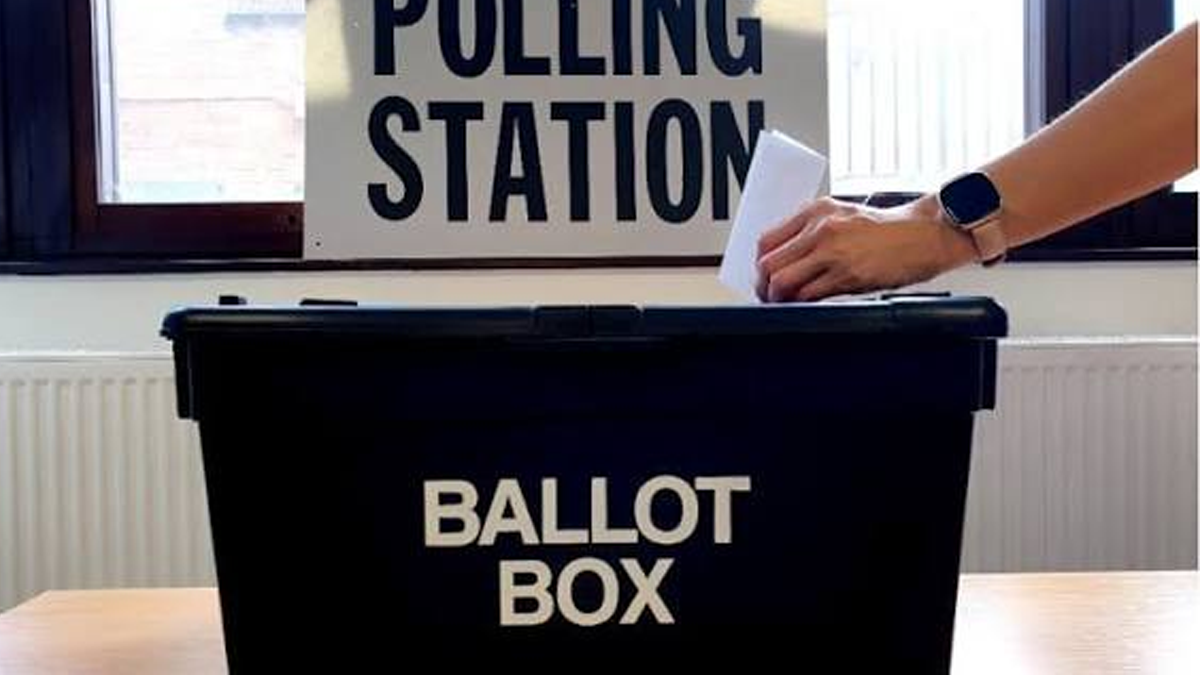
FPTP Vs Proportional Representation
As the United Kingdom prepares for its next General Election, scheduled for 2029, debate continues over whether the vote should once again be conducted under First Past the Post, the electoral system that has defined Westminster politics for more than a century.
First Past the Post awards each constituency to the candidate who receives the most votes, even if they fall short of an absolute majority. This structure has historically favoured the two largest parties and often produces clear parliamentary majorities on a minority share of the national vote. Critics argue that this distorts public opinion and leaves millions of votes effectively unused.
Calls for reform have come from several political figures, including Prime Minister Andy Burnham. Before entering Downing Street, Burnham expressed support for exploring alternatives to First Past the Post, saying the system did not always reflect the full range of public opinion. Although he has not committed to changing the voting system in government, his earlier comments continue to shape expectations among reform advocates.

The debate is informed by comparisons with devolved elections. The Scottish Parliament uses the Additional Member System, a form of proportional representation that combines constituency MSPs with regional list MSPs. This model aims to balance local representation with a more proportional distribution of seats. As a result, the Scottish Parliament typically reflects a wider range of political voices, and coalition or minority governments are more common.
Proportional representation systems seek to match seat share more closely with vote share. Supporters argue that this reduces wasted votes, encourages cooperation between parties and produces legislatures that better reflect the diversity of political opinion. They also say that proportional systems can reduce regional imbalances, giving voters across the country a stronger sense that their vote matters.
By contrast, supporters of First Past the Post argue that the UK benefits from strong and stable governments. They also highlight the simplicity of the ballot and the direct link between each constituency and its MP.
Whether the next General Election should be held under First Past the Post remains central to the wider debate about democratic renewal, political representation and the future shape of British governance.