
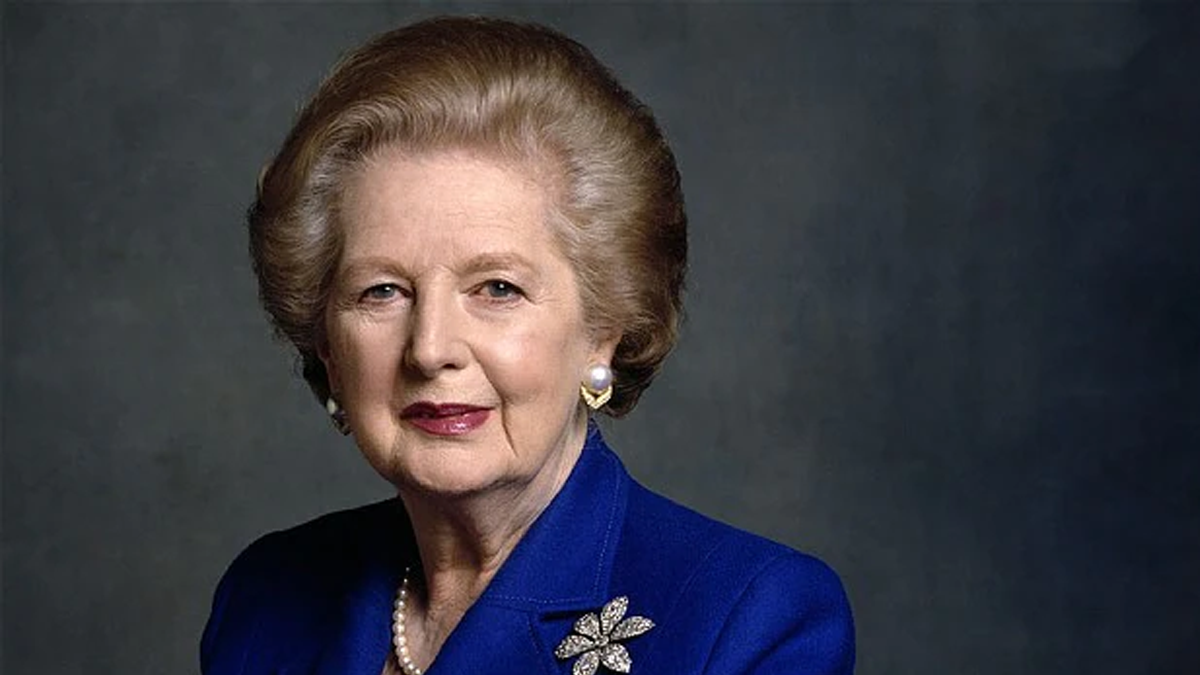
Margaret Thatcher’s political shadow still hangs over British politics more than three decades after she left office. Arguments about taxation, spending, trade unions, immigration and the size of the state often come back to her. Politics has evolved in the last thirty years, yet many of the same issues that shaped her time in office continue to influence national debate. The question is simple: Which party is the most Thatcherite in modern day politics?
A good place to start is the Conservative Party. Thatcher led the party for fifteen years and reshaped it in her image. She has been canonised by many modern Conservatives. They praise her focus on personal responsibility, low taxes and a smaller state. Their recent record tells a different story. High spending during the pandemic, rising taxes and repeated interventions in the energy market have created tension between Thatcherite language and government action.
Reform UK likes to present itself as the true heir to Thatcher. The party says its policies on lower taxes, reduced regulation and a tougher stance on immigration reflect the Conservatives of the 1980s. Nigel Farage has repeatedly praised Thatcher’s leadership style and her willingness to confront institutions in the face of criticism. Reform UK argues that its focus on cutting government waste and challenging what it calls the political establishment fits comfortably within a Thatcherite tradition. The party also claims that the Conservatives abandoned Thatcherite principles long ago and now resemble Labour (ie uniparty claims)
(New) Labour were the original heirs to Thatcher. The party once defined itself in opposition to Thatcher yet it accepted parts of her economic settlement, particularly the role of private business in national growth. The party’s new leader has been clear in his rejection of Thatcherism. Andy Burnham has said he wants to “end forty years of neoliberalism” and blames Thatcherism for regional inequality and the decline of public services. These positions sit far from Thatcher’s worldview. Labour may use some language about aspiration and opportunity, but it has indicated that it will move away from Thatcherite economics.
The Liberal Democrats support market competition in some areas but favour stronger regulation and higher investment in public services. The party’s economic message is not Thatcherite. It focuses on social welfare, environmental protection and constitutional reform. While the Liberal Democrats sometimes back policies that encourage private enterprise, they do not present themselves as Thatcherite and rarely reference her legacy.
The Green Party moves even further from Thatcher’s legacy. It supports public ownership of energy, higher taxes on the wealthy and stronger protections for workers and the environment. The party does not believe market forces alone can solve national problems and supports strong state intervention. Its message focuses on social justice and climate action. Very little resembles Thatcherite thinking.
So which party is the most Thatcherite. Reform UK makes the strongest claim and the Conservatives still carry elements of Thatcher’s legacy. The Conservative record has blurred the connection between modern conservatism and Thatcherism while Reform UK promotes a clearer version of the economic message Thatcher championed. Whether voters want a return to that Thatcherite politics is another matter entirely.
Maybe Restore should have been taken into consideration, they’re by far the closest.
Reform change what their priorities are from day to day.
Kemi possibly but the Conservatives definitely not and the others aren’t even worthy of being in the same sentence as Maggie.
The closest we’ve got to Thatcherism is Rupert Lowe and Restore. Their mandate bears witness to that.